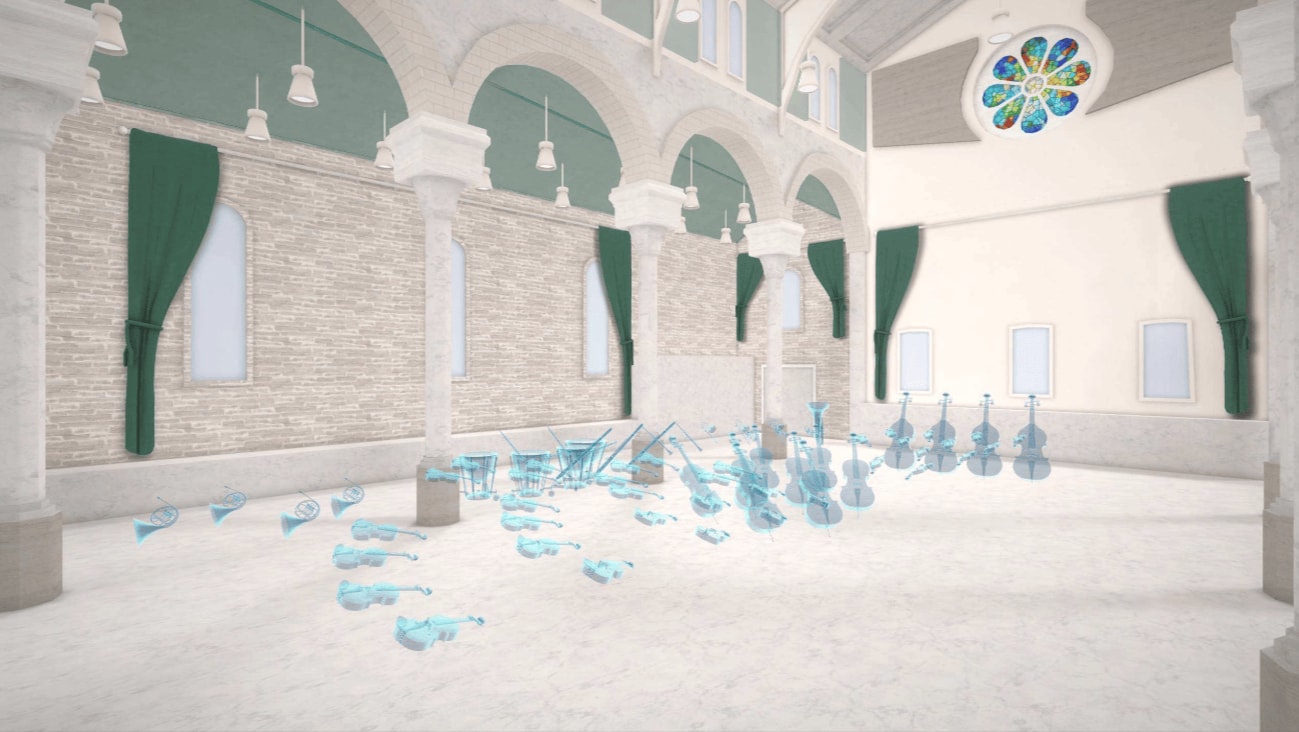
Global technology company Siemens has worked with the Hallé Orchestra to develop a virtual concert experience for its St Peters venue in Manchester, allowing conductors to plan their performance before a single rehearsal has taken place.
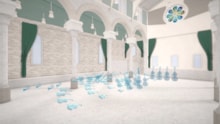
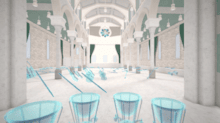
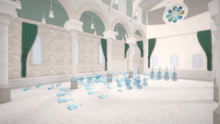
Siemens has developed an acoustic digital twin of Hallé St Peters to simulate how a concert performance sounds in the space. The technology draws on data from the building’s layout and architecture, alongside sound a dry studio recording of a musical piece, to create a life-like, physics-based simulation of what a concert would sound like before it is performed in the real world.
The Hallé’s digital twin enables venue operators and conductors to explore and evaluate the acoustic impact of different orchestra layouts without requiring full-scale rehearsals. The Sound of Science application further allows visitors to experience how acoustics vary throughout the venue and even return to the building’s original church acoustics through an immersive virtual reality experience.
“The benefits of digital twin technology extend well beyond industry, creating new opportunities to better understand complex environments and make informed decisions. Sound of Science demonstrates how these capabilities can be applied in a cultural setting, helping preserve and explore the unique character of Halle St Peter’s”, said Les Fletcher, Simulation Business Growth Specialist at Siemens.
It’s a creative example of the same digital twin technology Siemens deploys across industry, where organisations can model products, buildings, factories and processes virtually before making changes in the physical world. By using this technology, Siemens helps organisations test scenarios, optimise performance and make more confident decisions before real-world deployment.
Sound of Science was launched by Siemens in 2024.It has already been used to simulate the acoustics of concert halls in iconic locations across Europe, including Bayerische Staatsoperin Munich and the Grosses Festspielhaus at the Salzburg Festival.
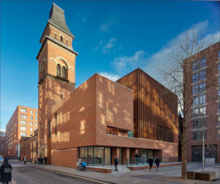
Hallé St Peters will be the first UK venue to deploy this technology. Located in the heart of Ancoats, it is the home for the Hallé’s rehearsals and recordings across its orchestra, choirs and youth orchestra.
Stephan Frucht, artistic director of the Siemens Arts Program, said: “Our digital twin technologies are already helping organisations across industry test ideas virtually, optimise resources and save time before making changes in the real world. Sound of Science brings those same advantages to the concert hall, and thanks to our long-standing relationship with the Hallé, we’re looking forward to launching this technology in the UK.
Kath Russell, Director of Development at the Hallé Orchestra, added: “The idea of creating a digital twin for Halle St Peter’s was so interesting to us. It was never about replacing the physical venue, it was about understanding it more deeply, preserving its acoustic character, and exploring new possibilities. This project sits at the intersection of heritage and innovation. It respects what the space is, while also allowing us to explore what it could be.”
Siemens will demonstrate the technology at its Transform conference in Manchester, taking place on 15-16 July.
For more information visit https://www.siemens.com/uk/en.html